

suspention SERVICE: REPAIR & Maintenance
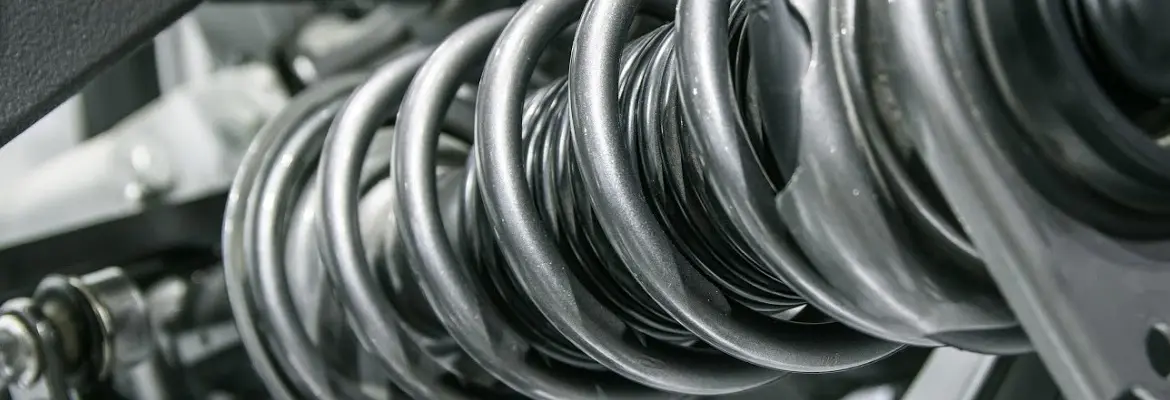
Your vehicle’s suspension system helps ensure you enjoy a smooth ride. A system of shock absorbers, struts, and springs help absorb the bumps and dips on the road to keep you more comfortable in the driver’s seat. But your suspension system does more than just offer a smooth and efficient ride — it also helps maintain the health and longevity of your entire vehicle! The best way to care for your suspension system is by bringing your car to Dowland where our expert technicians know the ins and outs of your vehicle’s suspension parts. But there are a few ways you can care for your suspension system at home to help keep vehicle components from wearing out prematurely and provide a safer driving experience for you.
- Shock absorbers REPLACEMENT
- Coil springs REPLACEMENT
- Struts REPLACEMENT
- Leaf springs REPLACEMENT
- Tires REPLACEMENT
- Rods / linkages REPLACEMENT
- Joints / bearings / bushings REPLACEMENT
suspention SERVICE FAQS
Your vehicle’s suspension system sustains a lot of wear and tear. When you drive over potholes, hit bumps in the road, crash into the curb, or get into a fender bender, these all take a toll on the suspension system. Because of this wear and tear, your suspension system requires regular maintenance. In some instances, your suspension system may require an evaluation by a professional auto technician. Learn about some signs you should have a professional look at your suspension system:
- Your ride is more bumpy than usual
- Your vehicle rocks back and forth when you steer
- Your vehicle feels lower to the ground
- Your tires are wearing unevenly
- Your vehicle rocks or bounces when you brake
- Your vehicle's struts or shocks are leaking oil
Like any part of your vehicle, you will eventually need to replace certain parts of your suspension system. This is especially the case with your shocks or struts. You may need to replace your shocks or struts between 50,000 and 100,000 miles. This number is not set in stone, however. If you routinely drive on rough, bumpy roads, you may need to replace your shocks and struts sooner. If you drive on smooth surfaces only, the shocks and struts will most likely last much longer. If you notice fluid leaking from your shocks and struts, or they are greasy, you may need to replace them. If the mounts and bushings around the shocks and struts are damaged, you will want to replace all of these parts of the suspension system.
Since your tires are the only part of the suspension system that touches the ground, it’s important to keep them inflated to the manufacturer’s recommended PSI level. You can typically find this level on a sticker on the driver’s side door jamb. Find the recommended PSI level number, then check each tire with a reliable tire gauge. Fill any low tire to the specified PSI level. If a tire is overinflated, wait until it cools for at least 3 hours to confirm. Then, deflate any overinflated tire to the specified PSI level.
Healthy tires also mean having good tread depth. Start by checking for any low or bare spots in the tread. The tread depth should be more than 2/32nd inches — a quick penny test can help you roughly measure your tires’ tread depths. Uneven wear can indicate that there’s trouble with your suspension system, but it can also indicate your vehicle needs a wheel alignment. If you notice uneven tire wear, head to your local Tires Plus for a professional diagnosis.
