

Engine SERVICE: REPAIR & maintenance
We don’t often think about our cooling systems. We fire up our vehicles and drive to where we need to go. On top of regular checks of your engine oil, tires and brakes, it’s a good idea to add your cooling system to your vehicle maintenance checklist, professionals from the Dowland team can help you with this. A clean and efficient cooling system not only helps extend the life of your vehicle, but it can also help avoid costly overheating or breakdown issues that occur due to cooling system negligence. The #1 reason we hear about that get people stuck on the side of the road is – you guessed it – cooling system problems. Let’s give some attention where it’s due.
- coolant replacement
- Water Pump replacement
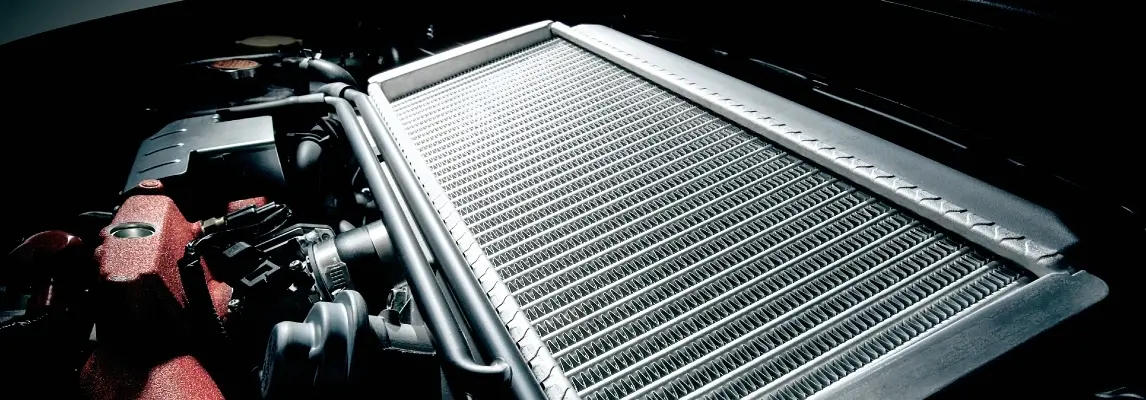
- Radiator flush & replacement
- Thermostat replacement
- Fan replacement
cooling SERVICE FAQS
All vehicle cooling systems include a cooling circuit through the engine block and head with a gasket sealing the two. Coolant hoses and a pump circulate coolant (also called antifreeze) through your engine and through the radiator at the front of your vehicle, which uses outside air to cool the coolant so it can remove more heat from your engine. This endless loop keeps your vehicle cool in all conditions and at all speeds.
- Check your coolant level often and top-up if necessary
- Check for leaks and coolant consumption — possible signs of head gasket wear or failure
- Have your coolant tested, especially if you have cold winters
- Watch for rust or discoloration in your coolant — an indication of corrosion
- Have your cooling system flushed every 5 years or 50,000 km
The radiator cap does more than keep coolant in the system. It helps maintain proper pressure throughout your entire cooling system. Check your radiator cap regularly to make sure it hasn’t slipped. But be careful—the cap heats up when the engine’s on, so wait for it to cool. Also, be aware that unscrewing may release pressure, so stand back as you adjust the cap.
Similarly, you should have your radiator flushed and refilled every 30,000 miles or every five years, whichever comes first. This type of thorough cleaning will clear any dirt, debris, or sediment that may have built up.
If your car appears to be overheating, check your coolant levels. If they’re low, refill either a premixed coolant or with the manufacturer’s recommended brand. This simple step will help your engine run cooler, preventing potentially costly auto repairs.
